The story of ReliveIt's backgrounds
By Markus
The task was to create background images for the game, so I immediately thought of creating them in Blender. The first versions had a lot of potential, but something was missing.
Since the backgrounds were rendered using basic 3D models and textures, some people testing the game thought they could move in the world. They kept swiping to the sides, trying to view more of the environment. That made me realise I needed to make it more apparent that the background is static.
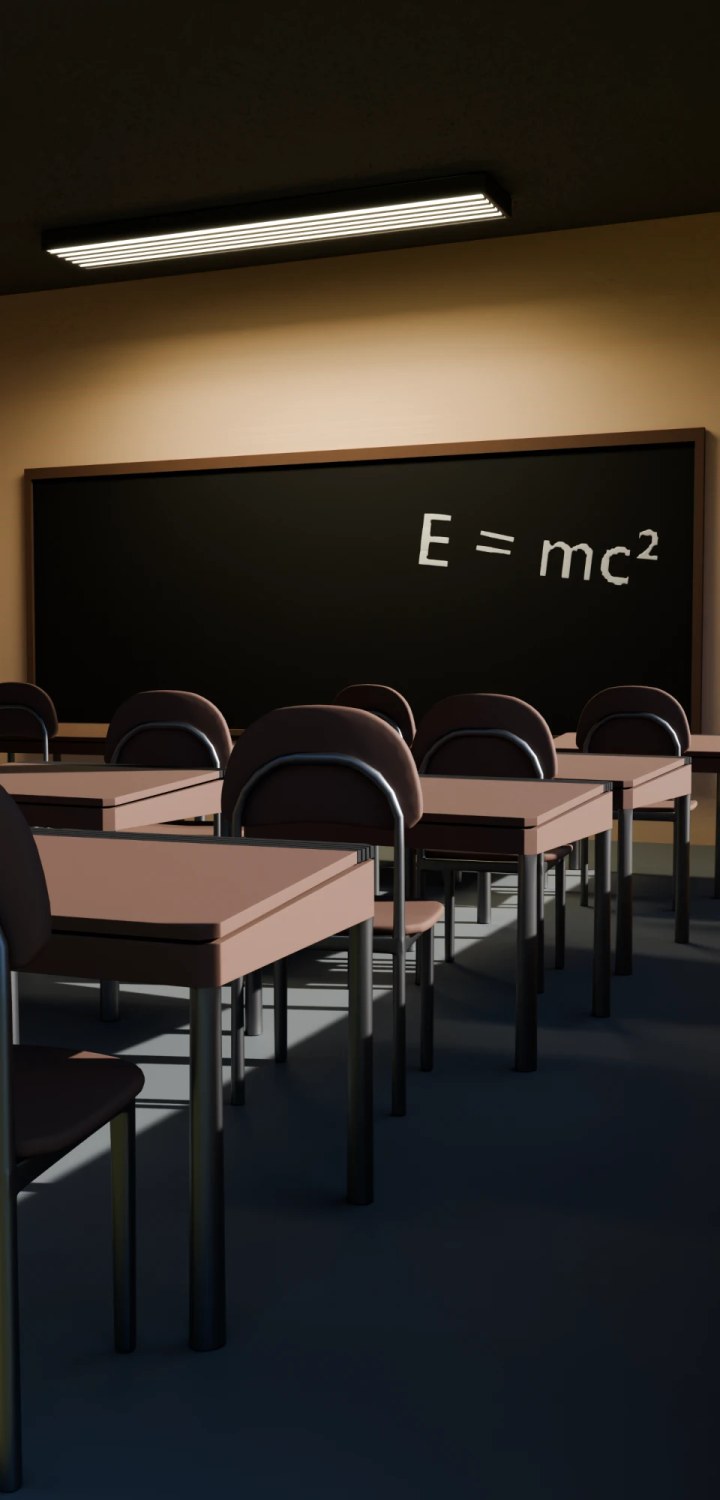
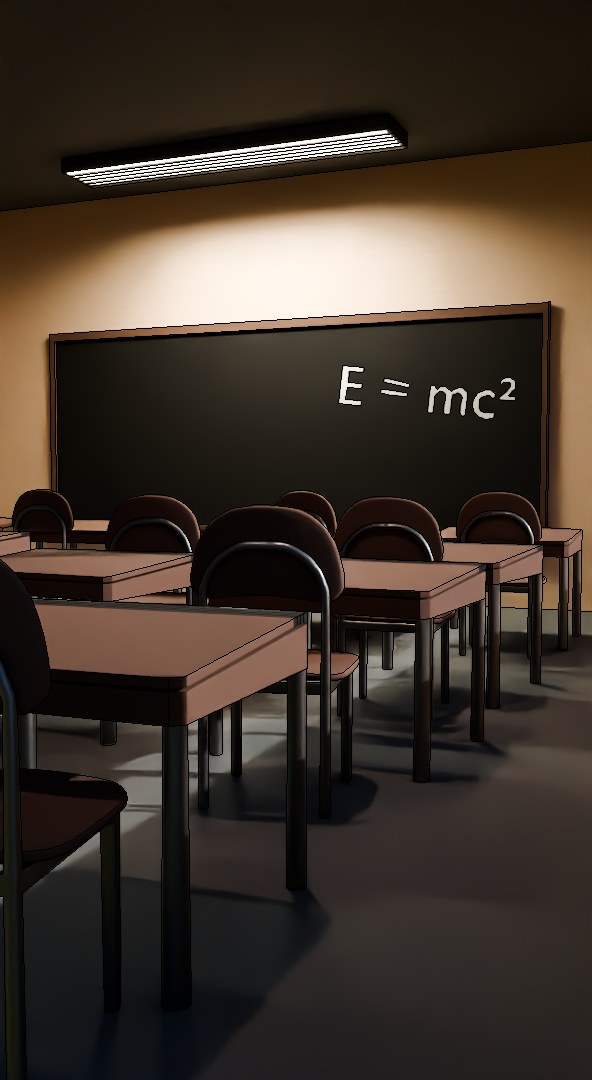
After some experimenting, I found a workflow that I could use to create renders in a pixel-art style. The basic idea was to render the scenes at a very low resolution and adjust a few settings to get it to look how I wanted.
It looked much better, and I also experimented with adding a dithering shader. In the end, I decided it wasn’t exactly what I wanted and scrapped it.
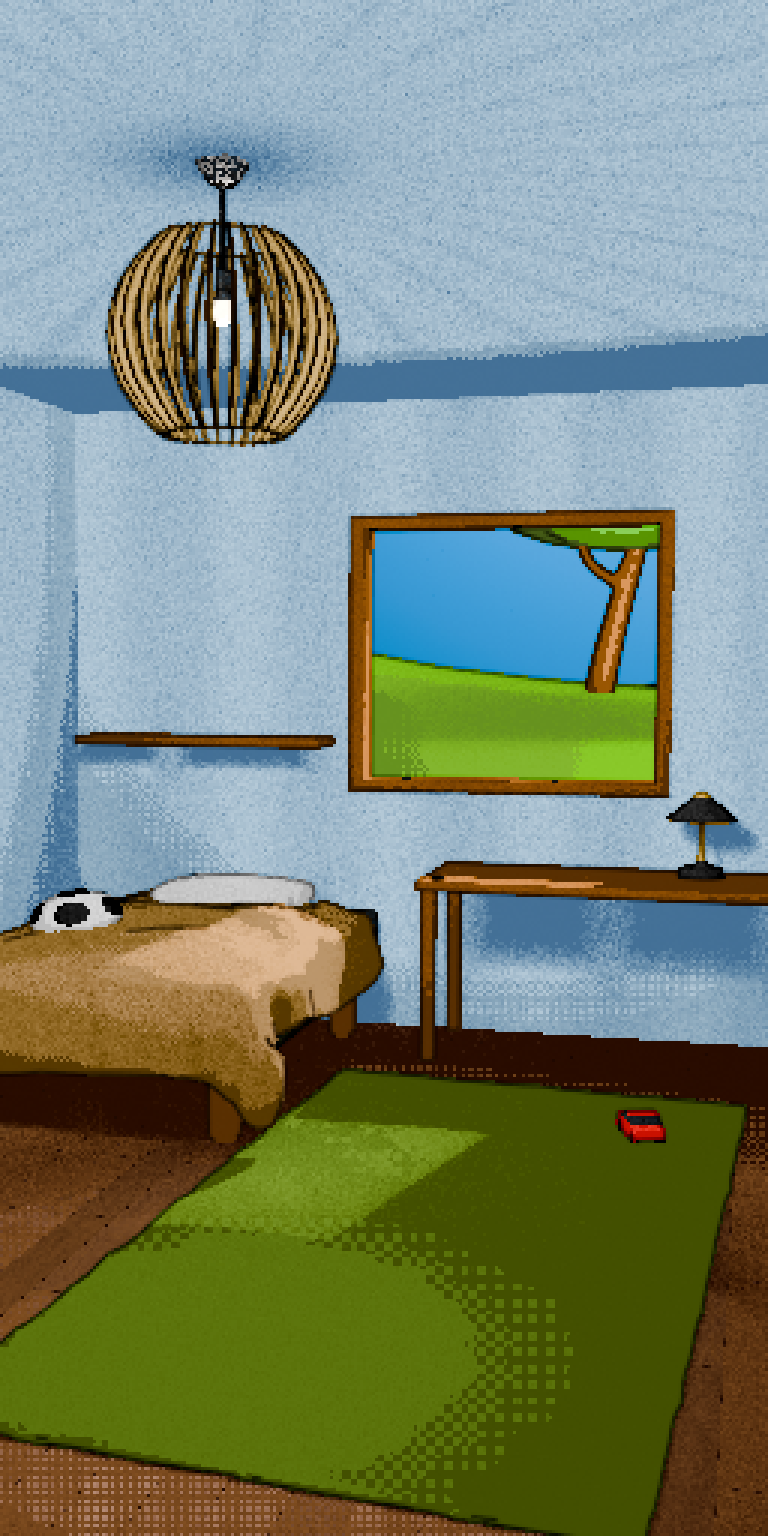
At this point, I had finished all the backgrounds using the combination of low-resolution and dither shaders. There was just one big problem. I had to manually draw the outlines for everything.
No thanks.
I did some research and discovered that Blender has a tool called Freestyle. Instead of spending 10-20 minutes drawing the outlines for each image, Freestyle could create them automatically in a matter of seconds and I could adjust them to my liking.
Freestyle opened many possibilities. Now I only had to create the scene and render the final image. That meant more time to create interesting backgrounds instead of painstakingly drawing outlines all day.
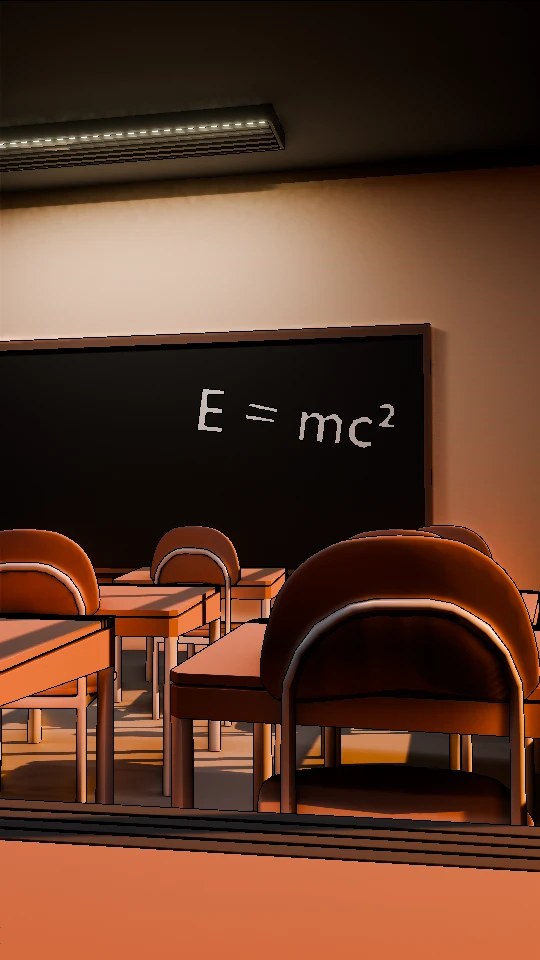
This is where I also realised that I can create animations with the low-resolution style and create cool ad videos for our game. The others loved them, but unfortunately they’ve been quite slow to produce.